Spiderpedia: A Clear Guide to Spiders
Learn how to identify spiders, understand their behavior, explore where they live, what they eat, and how to think about spider safety without unnecessary fear.
What Are Spiders?
Spiders are air-breathing arachnids, not insects. They usually have eight legs, no wings, no antennae, and specialized body parts for sensing, hunting, silk production, and survival.
More than 54,000 spider species have been described worldwide, ranging from tiny house spiders to orb-weavers, jumping spiders, wolf spiders, fishing spiders, tarantulas, and many other groups.
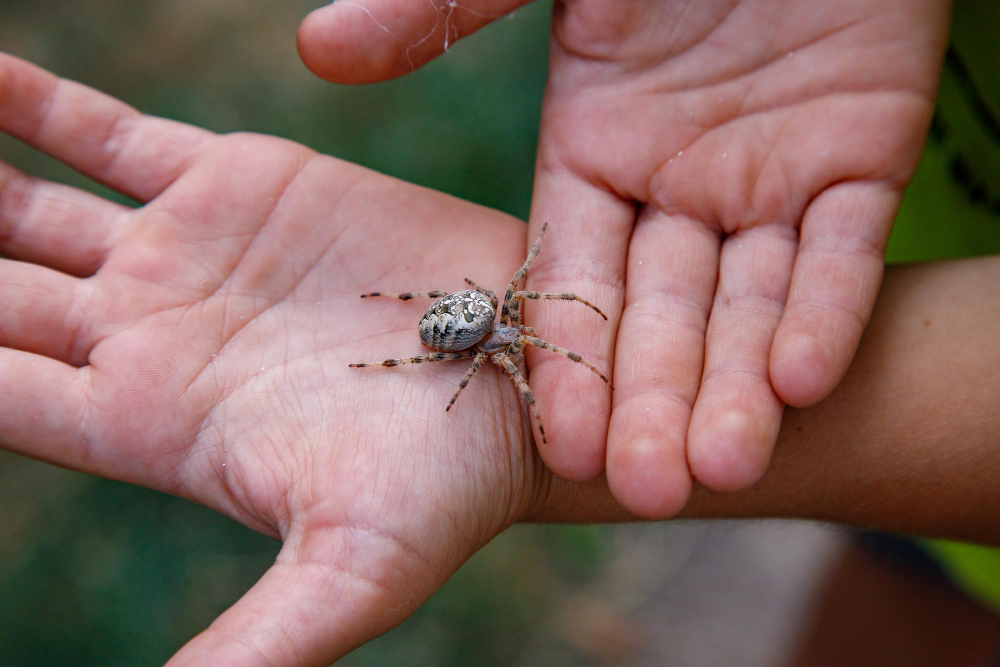
Explore Spiderpedia by Topic
Use these main guides to learn about spider identification, behavior, habitats, diet, safety, and spider facts.
Spider Types
Explore common spider groups, indoor spiders, garden spiders, web builders, hunting spiders, and lookalike species.
Browse spider types →Spider Behavior
Understand why spiders build webs, hunt, hide, molt, move at night, and react to their surroundings.
Learn spider behavior →Spider Habitat
Learn where spiders live indoors, outdoors, in gardens, forests, basements, bathrooms, and other sheltered spaces.
Explore habitats →Spider Diet
Find out what spiders eat, how they catch prey, how often they feed, and why many spiders help control small insects.
Read diet guides →Spider Bite & Danger
Get calm, practical information about suspected spider bites, real risk, safety myths, and when to seek medical help.
Read safety guides →Spider Facts
Learn simple spider anatomy, web facts, silk facts, eyes, legs, life cycles, and other beginner-friendly spider science.
Discover spider facts →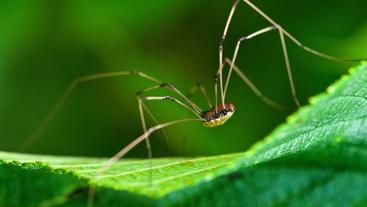
Spider Identification Made Easier
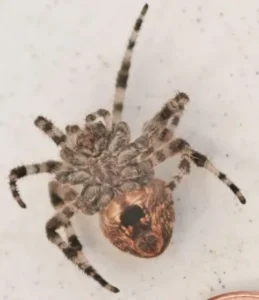
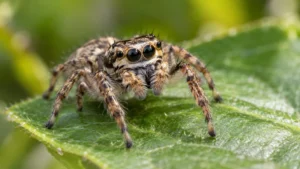
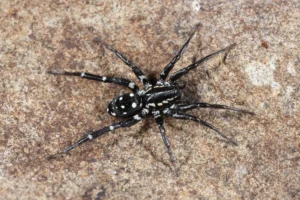
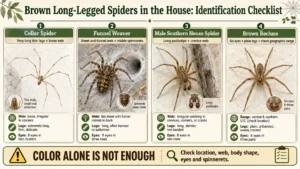
Not sure what kind of spider you saw? Start with visible traits instead of guessing. A good spider identification guide looks at the spider’s size, color, body shape, habitat, web type, behavior, and possible lookalikes.
Helpful Spider Articles for Everyday Questions
Start with these beginner-friendly guides if you found a spider indoors, want to understand spider anatomy, or need calm safety information.
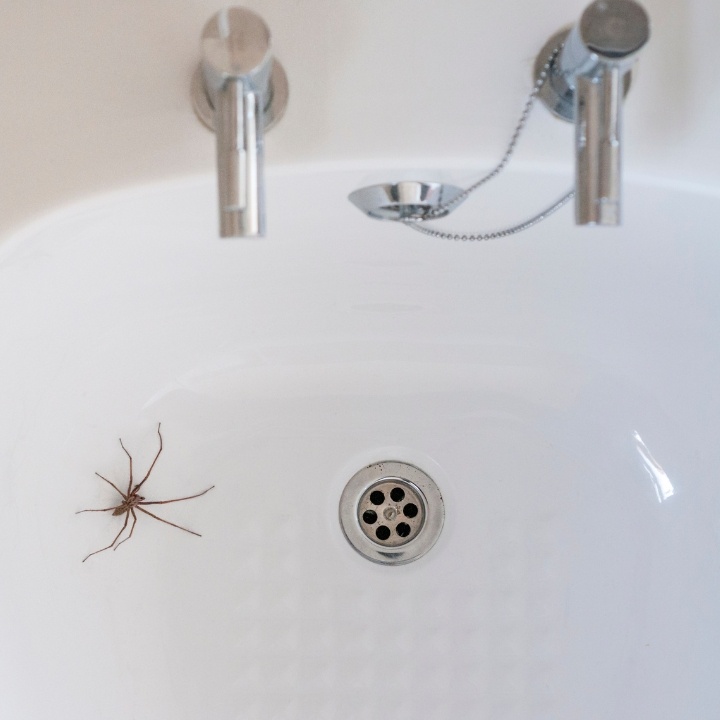
Why Are There Spiders in My Bathroom?
Learn why spiders appear in bathrooms, what attracts them, and how to reduce indoor encounters.
Read the guide →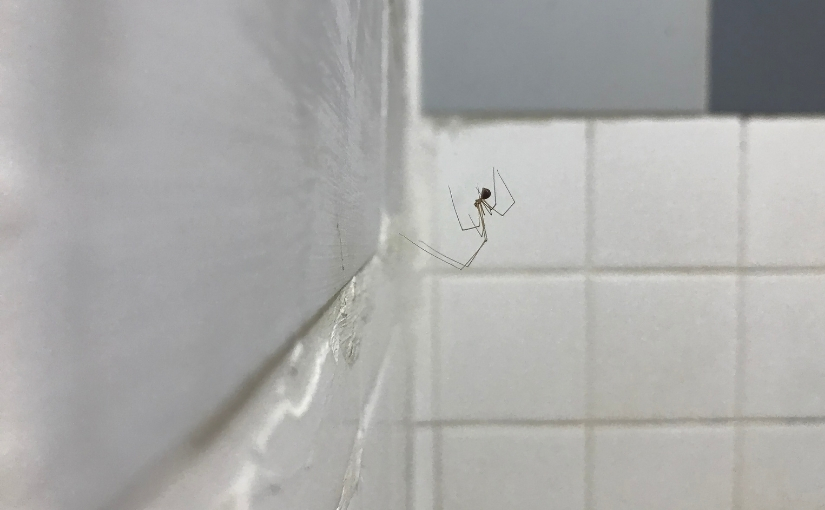
What Do House Spiders Eat?
A simple guide to house spider diet, prey, feeding habits, and their role indoors.
Read the guide →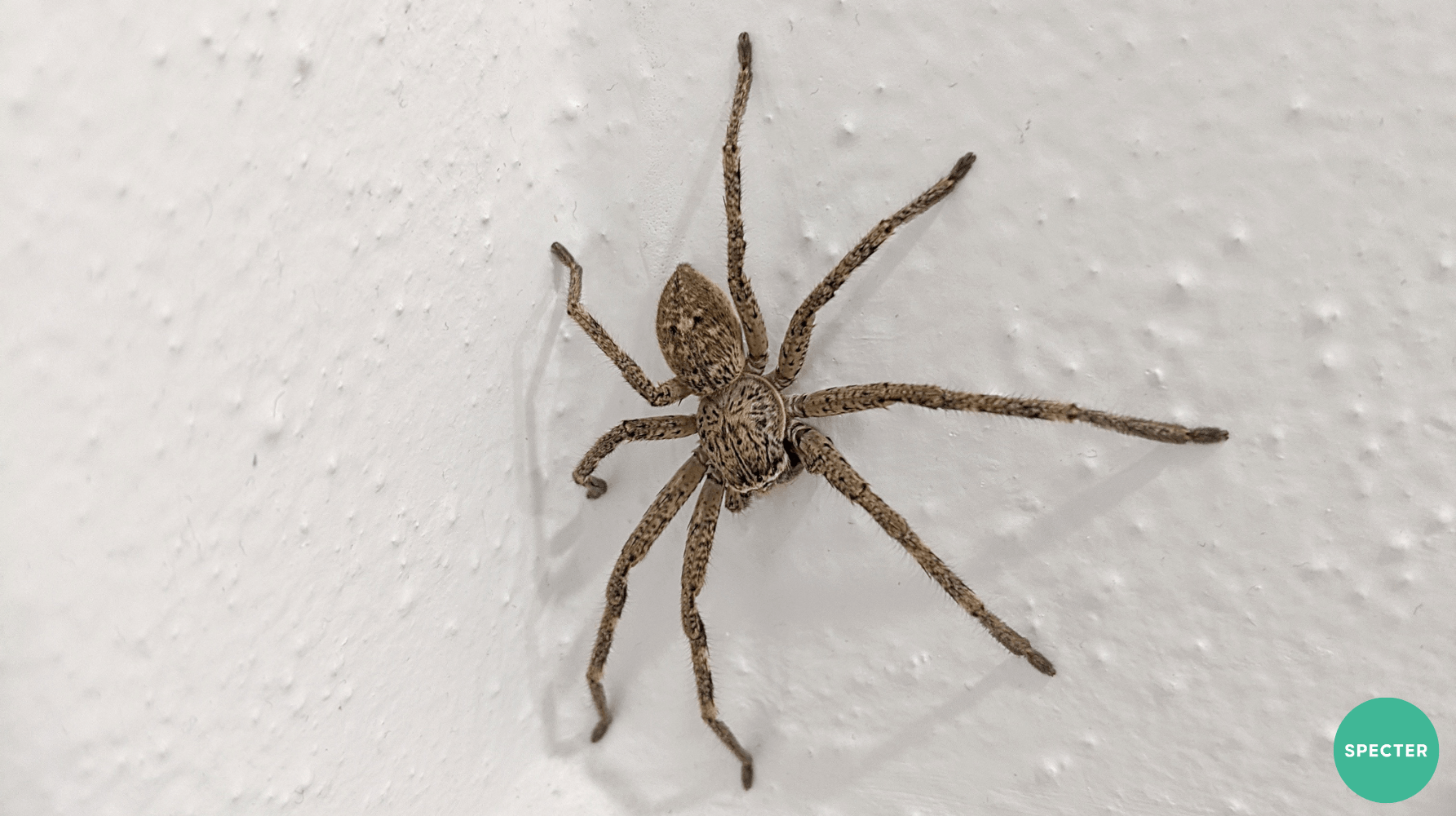
Are House Spiders Dangerous?
Understand the real risk level of common house spiders without unnecessary fear.
Read the guide →Why Do Spiders Build Webs?
Explore how spiders use silk, webs, and different hunting strategies to survive.
Read the guide →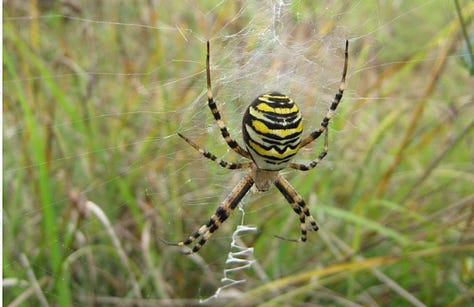
How Many Legs Do Spiders Have?
Learn the basic anatomy that separates spiders from insects and other small animals.
Read the guide →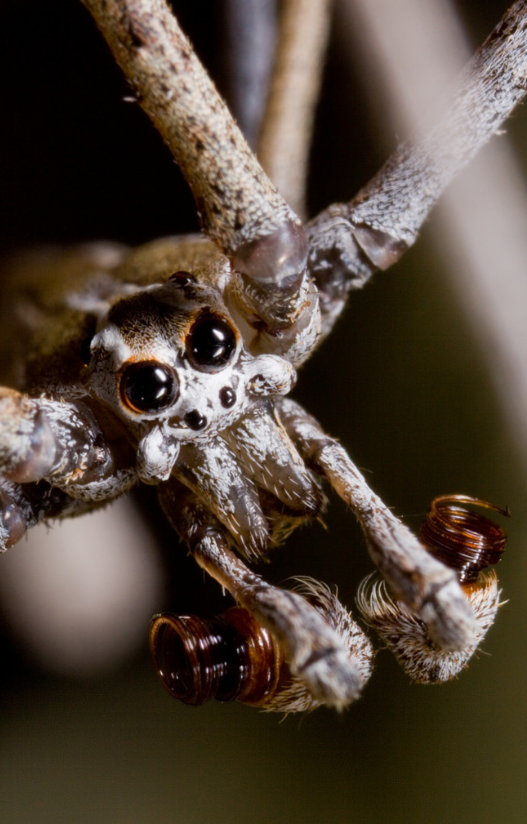
How Many Eyes Do Spiders Have?
Most spiders have eight eyes, but the real answer depends on the spider group.
Read the guide →Spider Bite & Danger Information Without Panic
Most spiders are not dangerous to people, but safety topics still need careful wording. Spiderpedia explains bite concerns, venom myths, and risk levels in a calm, practical way.
If you suspect a spider bite and symptoms are severe, spreading, infected, worsening, or include trouble breathing, dizziness, facial swelling, severe pain, muscle cramps, fever, or serious skin damage, seek medical help immediately.
Spider Safety Guides Cover
- Realistic bite risk
- Common bite myths
- When to seek medical advice
- Dangerous species by context
- How to avoid unnecessary contact
Follow a Spider Learning Path
These internal topic clusters help readers move from basic spider facts to identification, behavior, indoor questions, and safety.
Indoor Spider Questions
For readers who found spiders in the house and want practical, non-alarmist answers.
Spider Facts & Anatomy
Simple educational guides for students, beginners, and curious nature readers.
Spider Identification
Compare body shape, habitat, web type, and lookalikes before making an identification guess.
Webs, Diet & Survival
Learn how spiders build webs, catch prey, survive without food, and adapt to different habitats.
Educational Spider Information With Careful Sources
Spiderpedia is designed as a beginner-friendly spider education website. For taxonomy, safety, species context, and natural history topics, articles should be supported by credible references such as spider catalogs, museums, public health guidance, and university extension resources.
Start with the Spider Types hub, read the Spider Facts section, or learn about Spider Bite & Danger topics if your question involves safety.